
The Most Eye-Rolling Sarcastic Puns (63 and Counting)
Sarcasm is the one thing I’ve genuinely committed to in my life, which is either sad or impressive depending on how sarcastic you’re feeling...
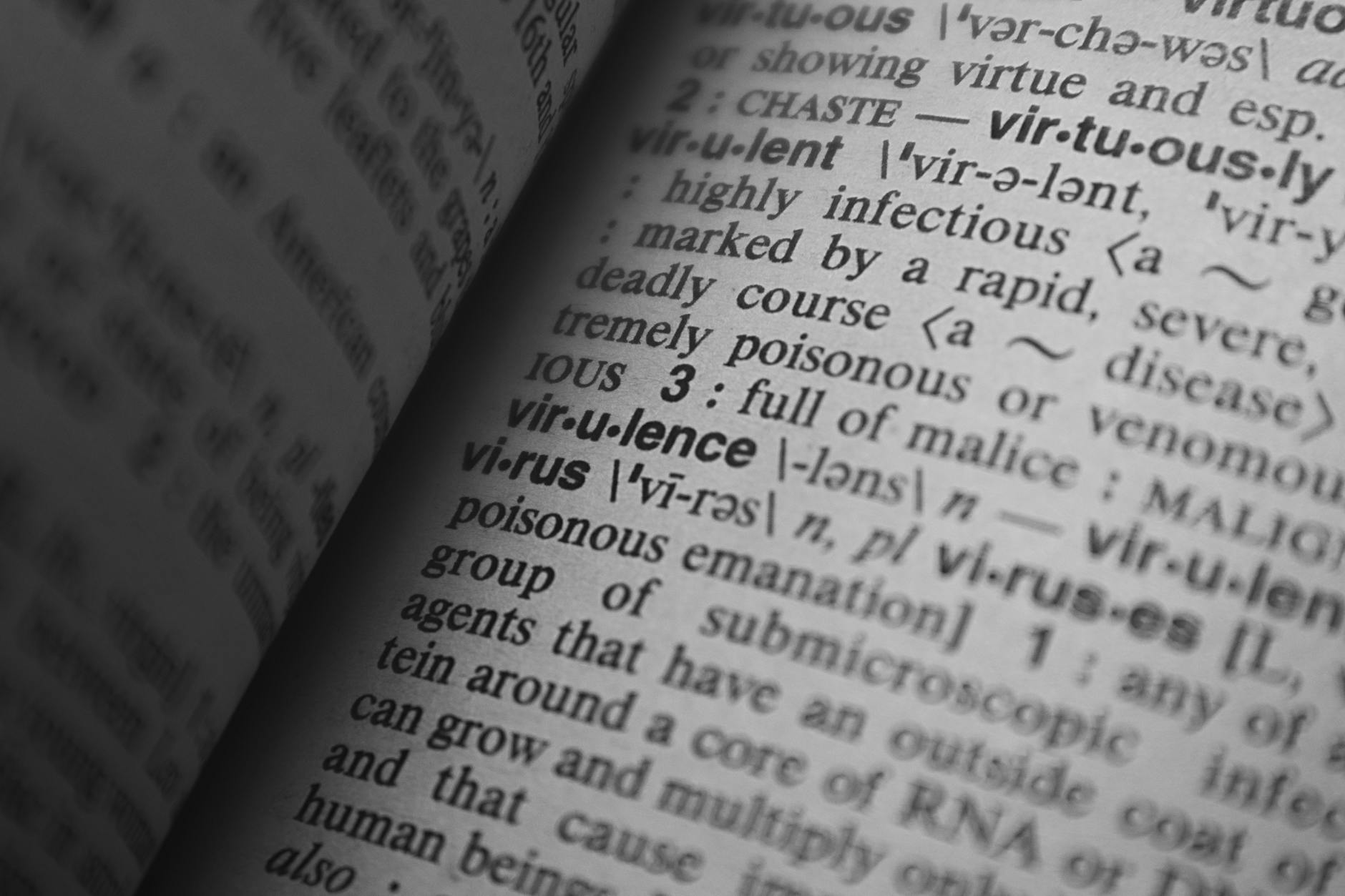
Let’s get this out of the way: defining a pun feels a little like explaining why a joke is funny. The moment you start dissecting it, something dies on the table. But here we are, and honestly, the definition of a pun is more interesting than you’d expect. It’s also, paradoxically, kind of a pun in itself. Because when you define a pun, you’re playing with words about wordplay. That’s meta enough to make your brain itch.
So let’s do this thing.
A pun is a form of wordplay that exploits multiple meanings of a word, or the fact that two different words sound alike, to create humor, irony, or rhetorical effect. That’s the textbook version. The real version? A pun is when language trips over its own shoelaces and you laugh at it.
The word “pun” itself has murky origins. Some etymologists trace it to the Italian puntiglio (a fine point), while others think it came from the English word “pundigrion,” which was a 17th-century term for wordplay that basically nobody uses anymore because, well, try saying “pundigrion” three times fast. The short version stuck.
Here’s what makes puns structurally different from other jokes: they don’t need a setup and punchline in the traditional sense. The humor lives inside the word itself. The word is the joke. A pun is its own pun-chline, if you will. (You will. I’m not giving you a choice.)
Not all puns are built the same way. There are actually several distinct categories, and understanding them is pun-damental to understanding humor. Let me break them down.
These are the most common type. They exploit words that sound the same but have different meanings. Classic example: “I used to be a banker, but I lost interest.” The word “interest” means both financial interest and personal curiosity. Your brain processes both meanings simultaneously, and that collision is where the comedy lives.
Another one: “A bicycle can’t stand on its own because it’s two-tired.” Tired. Two-tired. You get it. You probably also groaned, which is the highest compliment a pun can receive.
These use words that are spelled the same but have different meanings (and sometimes different pronunciations). Think: “The bandage was wound around the wound.” Same spelling, different pronunciation, different meaning. These are sneakier than homophonic puns because they hide in plain sight on the page.
Or consider: “I did a theatrical performance about puns. It was a play on words.” The word “play” is doing double duty here, meaning both a theatrical production and the act of playing with language. Homographic puns tend to be a little more sophisticated, which is why English teachers love them and everyone else tolerates them.
These are the overachievers. A compound pun contains two or more pun elements in the same statement. They’re harder to pull off, and when they fail, they fail spectacularly. But when they work? Chef’s kiss.
Example: “Where do math teachers go on vacation? Times Square.” That’s a compound because “Times” works as multiplication and as the name, while “Square” works as a geometric shape and as the location. Two puns, one phrase, zero apologies.
This is genuinely one of my favorite questions about humor. Because puns occupy this weird space where everyone agrees they’re clever but a lot of people refuse to admit they’re funny. The groan is real, and it’s actually a recognized response in humor research.
The theory goes like this: most jokes work by setting up an expectation and then violating it. The surprise is what triggers laughter. But with puns, there’s no real surprise. You can often see them coming. The humor isn’t in the unexpected twist; it’s in the audacity of the wordplay itself. You groan not because the pun is bad, but because it’s so obvious that you’re almost mad you didn’t say it first.
Some definitions of puns are so bad, they make you groan, just like the puns they describe. That’s not a bug. That’s a feature. The groan is the laugh’s weird cousin, and they’re both invited to the party.
There’s even a term for this: “paraprosdokian” is the fancy word for when a sentence ends differently than you expect. Puns are sort of a subset of this. But honestly, if you use the word “paraprosdokian” at a dinner party, you deserve whatever happens to you.
Here’s where people who dismiss puns as “low humor” need to sit down and be quiet for a minute. Puns have been a staple of serious literature for literally thousands of years.
Shakespeare was an absolute menace with puns. In Romeo and Juliet, the dying Mercutio says, “Ask for me tomorrow, and you shall find me a grave man.” Grave. As in serious. As in a place where dead people go. He’s making a pun while bleeding out. That’s commitment to the craft.
Shakespeare used puns constantly, and not just for laughs. In Richard III, the wordplay around “sun/son” of York is doing real thematic work, tying imagery of light and lineage together. Puns in Shakespeare aren’t decoration. They’re architecture.
Oscar Wilde was another serial punner. “I can resist everything except temptation” isn’t exactly a pun in the traditional sense, but it plays with the double meaning of “resist” in a way that’s structurally similar. Wilde understood that the best wordplay doesn’t just make you laugh. It makes you think, and then it makes you laugh.
James Joyce’s Ulysses and especially Finnegans Wake are basically pun delivery systems disguised as novels. Joyce layered puns in multiple languages simultaneously, creating compound wordplay so dense that scholars are still unpacking it a century later. If anyone tells you puns are lowbrow, just whisper “Finnegans Wake” and walk away.
Even the Bible contains puns. In the Gospel of Matthew, Jesus says to Peter, “You are Peter, and on this rock I will build my church.” In the original Greek, Peter’s name (Petros) means “rock.” That’s a pun. In the Bible. So maybe we can all relax about whether puns are “real” humor.
Different cultures have wildly different relationships with puns. In English, puns are often treated as “dad jokes,” the groan-inducing province of fathers at barbecues. But in other languages and cultures, they carry more weight.
In Chinese culture, puns (谐音, xiéyīn) are deeply embedded in everyday life. The number four is considered unlucky because it sounds like the word for “death.” The number eight is lucky because it sounds like the word for “prosperity.” These aren’t jokes. They’re cultural forces that influence architecture, business decisions, and phone number preferences. Puns shape reality.
In Japanese, wordplay (dajare) is so common that it’s practically a social lubricant. There are entire comedy traditions built around it. And in ancient Sanskrit literature, poets used elaborate puns called śleṣa that could sustain entire poems with dual meanings running through every single line. Imagine writing a whole sonnet where every word means two things. That’s not a dad joke. That’s an Olympic event.
In English-speaking countries, the pun has had its ups and downs. In the 17th and 18th centuries, puns were considered high wit. John Dryden and Alexander Pope traded them like currency. Then somewhere around the Victorian era, puns started getting demoted to “the lowest form of wit,” a quote often (and probably incorrectly) attributed to Samuel Johnson. The irony is that whoever said it was almost certainly a punster themselves. You don’t get that opinionated about wordplay unless you’ve spent time in the trenches.
Okay, opinions time. Not all puns are created equal, and I will die on this hill.
A good pun works because the double meaning adds something. It deepens the joke, creates an unexpected connection, or reveals something true about the words involved. When someone says, “I’m reading a book about anti-gravity. It’s impossible to put down,” that’s a good pun because both meanings of “put down” are perfectly relevant. Neither meaning feels forced.
A bad pun is one where you have to squint to see the connection. Where the wordplay requires mispronunciation, or where the setup exists only to deliver the pun with no other reason for being. These are the ones that feel like someone is holding you hostage. Sometimes, defining a pun can be pun-ishingly difficult, and tbh, constructing one is even harder.
But here’s the thing. Here’s the dirty secret of pun culture. Bad puns are also kind of great? The worse a pun is, the more committed the delivery has to be, and that commitment itself becomes funny. The groan is the point. The eye-roll is the standing ovation. This is why dad jokes persist. The badness is a feature, not a flaw.
Neurolinguists (people who study how the brain processes language, and who are way more fun at parties than you’d think) have found that puns activate multiple areas of the brain simultaneously. When you hear “I used to be a banker, but I lost interest,” your brain has to process both meanings of “interest” at the same time. This creates a tiny cognitive conflict, and the resolution of that conflict is what produces the humor response.
This is why puns feel different from other jokes. A regular joke surprises you. A pun makes your brain do a little gymnastics routine. Some people find that delightful. Others find it annoying. Both responses are valid, but only one of them is fun at parties.
There’s also research suggesting that people who enjoy puns tend to score higher on tests of cognitive flexibility and creativity. I’m not saying pun-lovers are smarter. I’m just saying the research is right there and I’m gonna let you draw your own conclusions.
We’re living in something of a pun renaissance, ngl. Social media has been incredible for puns because the format rewards brevity and cleverness, which are exactly the two things a good pun needs. Twitter (or whatever we’re calling it in 2026) basically runs on wordplay. Meme culture is, at its core, a visual pun delivery mechanism.
Pun competitions exist. There’s the O. Henry Pun-Off in Austin, Texas, which has been running since 1977 and is exactly as gloriously nerdy as it sounds. Competitors face off in elimination rounds, making puns on assigned topics until someone can’t think of another one. It’s like a rap battle for people who own too many dictionaries.
Brands have also figured out that puns sell. Every coffee shop with a name like “Brew-tiful Day” or “Espresso Yourself” is betting on the power of wordplay to make you smile (or groan) your way through the door. It works. We’re all powerless against a good shop name pun.
The definition of a pun is simple on the surface: it’s a joke that exploits the multiple meanings of a word, or the similarity between different words, for humorous or rhetorical effect. But kinda like the pun itself, that definition has layers underneath it.
A pun is a cognitive trick. A literary device. A social bonding tool. A groan generator. A sign of intelligence. A sign of desperation. Sometimes all at once.
It’s the oldest form of wordplay we have, and it’s not going anywhere. People have been making puns for as long as language has existed, and they’ll keep making them for as long as words have the audacity to sound like other words. Only true pun-dits can give a perfect definition, but you don’t need to be an expert to appreciate one. You just need ears, a brain, and a willingness to groan.
And if you’ve made it this far and you’re thinking, “this whole article was just an excuse to make puns about puns,” well. Yeah. That’s kind of the point. Defining a pun is serious pun-ny business, and I wouldn’t have it any other way.
Sarcasm is the one thing I’ve genuinely committed to in my life, which is either sad or impressive depending on how sarcastic you’re feeling...
Firefighters are the only people who run toward the thing everyone else is running away from, and somehow we’re supposed to act like that’s...
Honey is the only food that never spoils, and honestly, my obsession with honey puns is showing the same staying power.
So, What Exactly Is a Pun? A pun is a form of wordplay that exploits the multiple meanings of a word, or the fact that two different words sound alike, to...
Get the week's freshest puns, wordplay, and gloriously terrible jokes delivered straight to your inbox — no setup required.
By signing up, I agree to the Terms of Use and have reviewed the Privacy Policy.