
54 Big Puns That’ll Slay You (No Cause for Concern)
Big Pun’s passing in February 2000 hit different. A heart attack at 28, twenty-eight, from a body that had been carrying close to 700 pounds.
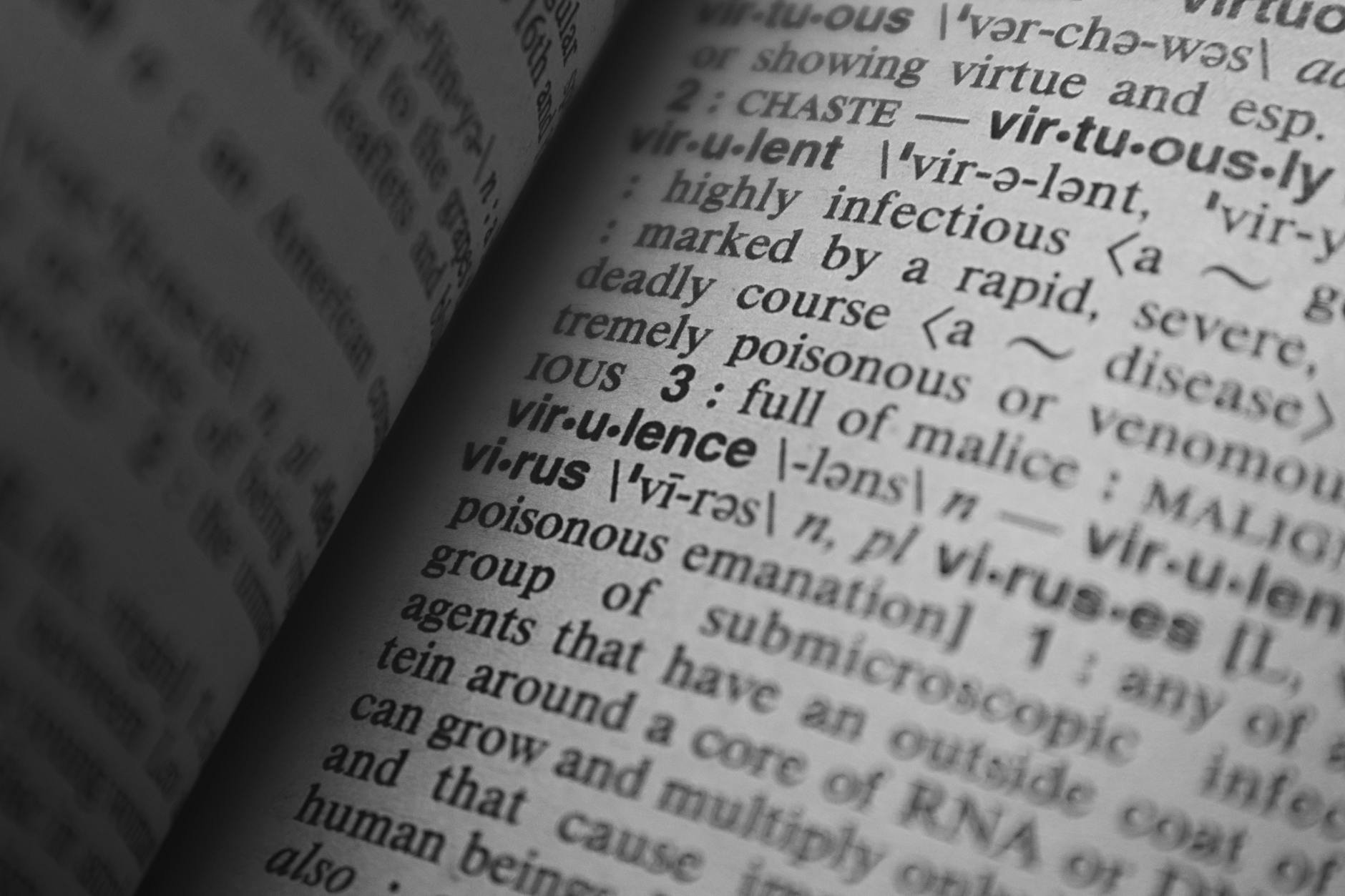
A pun is a form of wordplay that exploits the multiple meanings of a word, or the fact that two different words sound alike, to create a humorous or rhetorical effect. That’s the textbook answer. Here’s the real one: a pun is the thing that makes half the room laugh and the other half groan, and somehow both reactions mean it worked.
The technical term, if you want to impress someone at a party (or clear a room at a party), is paronomasia. Which, honestly, sounds more like a medical condition than a comedy technique. “I’m sorry, ma’am, your son has paronomasia. He’s going to make wordplay for the rest of his life. There is no cure.”
But the pun definition goes deeper than most people think. Puns aren’t just one trick. They’re actually a whole family of tricks, each working through a slightly different mechanism. Think of “pun” as an umbrella term (and no, I’m not going to make a rain joke here, I have some self-control). Let’s break down how they actually work.
Every pun depends on one thing: ambiguity. Your brain hears a word, expects one meaning, and then gets blindsided by a second meaning. That tiny moment of surprise, that split second where your brain holds two interpretations at once, is where the humor lives.
Linguists call this “semantic ambiguity,” which is a very unfunny way to describe something funny. But it matters because it explains why some puns land and others flop. The best puns create a genuine moment of double vision. The worst ones feel forced, like the wordplay equivalent of someone explaining their own joke.
For example: “Why was the pun definition always content? Was it happy, or just full of material?” That works (sort of, it’s not gonna win any awards) because “content” genuinely has two common meanings, and both make sense in context. The ambiguity is real. Your brain actually has to toggle between them.
This is probably the most common type of pun, and it’s the one most people picture when they hear the word. A homophonic pun uses two words that sound the same (or very similar) but have different meanings and usually different spellings.
Classic example: “I tried to write a pun definition book, but it didn’t sell. No cell appeal.” The words “sell” and “cell” sound identical but mean completely different things. Your brain processes the sound, grabs the first meaning, then gets redirected to the second. Comedy through misdirection, basically. Same reason magicians are funny (when they’re not being creepy).
Here’s another one: “The pun definition left everyone in tears… or were those tiers of laughter?” Tears and tiers. Same pronunciation, different spellings, wildly different images. One is crying, one is a layered structure. The collision between those two mental pictures is the joke.
Homophonic puns are the workhorses of dad jokes. They’re easy to construct, easy to understand, and almost impossible to resist groaning at. “The definition barely explained itself, or was it ready to bear the weight of all that humor?” See? You groaned. I felt it from here.
Now we’re getting into slightly more sophisticated territory. Homographic puns use words that are spelled the same but have different meanings, and sometimes different pronunciations.
The word “bass” is a perfect specimen. Is it a fish or a musical instrument? Depends on context. Depends on pronunciation. And a good homographic pun makes both readings work simultaneously: “Puns are the bassic definition of humor. Fishy or musical? You decide.”
Or take “lead.” The metal or the verb meaning to guide? “Homographic puns lead the definition of wordplay.” Your brain has to do a little extra work here because the two meanings actually have different pronunciations (led vs. leed), which adds a layer of confusion that, when done well, makes the pun more satisfying.
“Wind” is another great one. Is it the air blowing outside, or the act of twisting something? “Pun definitions wind you up” works both ways. You’re being annoyed (wound up) and you’re being blown around (wind). Both are accurate descriptions of encountering puns, tbh.
The thing about homographic puns is they tend to reward readers more than listeners. In conversation, your pronunciation gives away which meaning you intend. On the page, both meanings coexist until the reader’s brain picks one. That ambiguity is a feature, not a bug.
A compound pun contains two or more puns packed into a single statement. These are the show-offs of the pun world. They’re harder to pull off, but when they land, they’re devastating.
Here’s the classic structure: “Why can’t puns starve? They always have sand which is there.” You have to squint at that one. “Sand which is” becomes “sandwiches.” It’s a stretch, and that’s kind of the point. Compound puns often ask the audience to do more work, which means the payoff is either bigger or more painful. There is no middle ground.
“Puns dye laughing, or did they just die?” That’s a compound pun because it’s stacking two homophones (dye/die) while also playing on the phrase “die laughing.” Two puns, one sentence. Efficient wordplay.
Compound puns are polarizing. Some people think they’re the pinnacle of the form. Others think they’re trying too hard. I land somewhere in the middle. A good compound pun feels like a magic trick. A bad one feels like watching someone juggle while explaining that they’re juggling.
Here’s where the taxonomy gets a little blurry, and honestly, this is the part where most “pun definition” explainers lose people. Homonymic puns use homonyms, words that are both spelled and pronounced the same but have different meanings.
“I tried to define a pun, but it kept objecting to my wording.” The word “object” means both a thing (a noun) and to protest (a verb). Same spelling. Same pronunciation. Two completely different meanings. That’s a homonym, and the pun exploits both simultaneously.
How is this different from a homographic pun? Technically, homographs can have different pronunciations (like “lead” or “wind”), while homonyms are always pronounced the same. In practice? Most people use these terms interchangeably, and honestly, if you’re at the point where you’re arguing about whether a joke is homonymic or homographic, you might need to go outside for a bit.
The bicycle joke is a perfect homonymic example: it couldn’t stand because it was two-tired. “Two-tired” and “too tired.” Same sound, same (ish) spelling, totally different meanings. It’s probably the most famous pun in the English language, and it’s been making people sigh since approximately the invention of the bicycle.
A recursive pun is one where the second element of the pun depends on understanding the first. It loops back on itself. These are rarer and, ngl, kind of delightful when they work.
The classic example borrows from “The Lion King”: “What’s a motto? Nothing, what’s a motto with you?” The pun on “motto/matter” only works if you recognize the setup echoing “What’s the matter with you?” A recursive pun about puns themselves might go: “What’s a pun? Nothing, what’s a pun with you?” It’s not great. But it illustrates the structure, which is a sentence that eats its own tail.
Recursive puns are the nesting dolls of wordplay. They reward people who are already paying close attention, and they completely lose everyone else. Which, depending on your audience, is either a strength or a problem.
Fair question. If you searched for “pun definition,” you probably wanted a clear answer, not a linguistics seminar. So here’s why the categories matter: they help you understand why some puns feel clever and others feel cheap.
Homophonic puns (sound-alikes) are the easiest to make and the easiest to spot. They’re the puns that fill up your uncle’s joke repertoire. Homographic puns (same-spelling, different-meaning) tend to feel more sophisticated because they exploit genuine ambiguity in the language itself. Compound puns impress through density. Recursive puns impress through structure.
None of this means one type is “better” than another. A perfectly timed homophonic pun will always beat a clumsy compound pun. Comedy is about execution, not taxonomy. But knowing the categories helps you appreciate what’s happening under the hood when a pun makes you laugh (or wince, which is basically the same thing).
Here’s something people don’t talk about enough: the best puns and the worst puns create the exact same reaction. A groan. The difference is that a good pun earns the groan through genuine cleverness, while a bad pun earns it through sheer audacity.
And weirdly? Both are valid. Puns occupy this unique space in comedy where being bad is almost as effective as being good. “Why study pun definitions? Without them, life is pointless. No geometry puns at all.” That’s terrible. You know it’s terrible. I know it’s terrible. And yet. Here we are.
The truly unforgivable puns are the ones that don’t commit. The ones where the wordplay kinda works if you squint, but the two meanings don’t quite overlap enough. A great pun snaps into place like a puzzle piece. A bad-good pun is so obvious it’s charming. A bad-bad pun just sits there, making everyone uncomfortable, like a joke that arrived at the wrong party.
Puns aren’t some modern invention born from Twitter and dad energy. Shakespeare was absolutely riddled with them. In “Romeo and Juliet,” the dying Mercutio says “Ask for me tomorrow, and you shall find me a grave man.” Grave as in serious. Grave as in dead. It’s a homonymic pun delivered by a dying character, and it’s been hitting audiences in the chest for over 400 years.
The ancient Egyptians used puns. The Bible contains puns (in the original Hebrew and Greek, before translation ironed them out). Oscar Wilde built an entire career on them. Groucho Marx made them an art form. “Time flies like an arrow. Fruit flies like a banana.” That’s a homographic pun where “flies” shifts from a verb (to move through air) to a noun (the insects), and it’s been making people laugh since the mid-20th century.
Puns aren’t low comedy. They’re actually one of the oldest and most universal forms of humor humans have. The reputation they have as “the lowest form of wit” is itself a misattributed quote that people have been repeating without checking for centuries. Which is kinda fitting for a form of humor built on misunderstanding.
A pun is a play on words that exploits either the different meanings of a single word, or the similar sounds of different words, to produce a humorous effect. It comes in several varieties (homophonic, homographic, homonymic, compound, recursive, and a few others linguists argue about), and it’s been a staple of human humor for literally thousands of years.
It’s the kind of wordplay that makes you think and groan at the same time. It rewards people who love language and punishes them equally. And if you’ve read this far, you’re probably one of those people.
Welcome. It’s punderful to have you.
Big Pun’s passing in February 2000 hit different. A heart attack at 28, twenty-eight, from a body that had been carrying close to 700 pounds.
Breakfast is the only meal where it’s socially acceptable to eat cake (pancakes), drink a milkshake (smoothie), and have dessert (French toast with...
Calculus is the only subject where you can feel genuinely smart and profoundly stupid in the same minute.
Matcha has taken over my entire personality at this point. I don’t even order it because I like the taste anymore, I order it because the color...
Get the week's freshest puns, wordplay, and gloriously terrible jokes delivered straight to your inbox — no setup required.
By signing up, I agree to the Terms of Use and have reviewed the Privacy Policy.